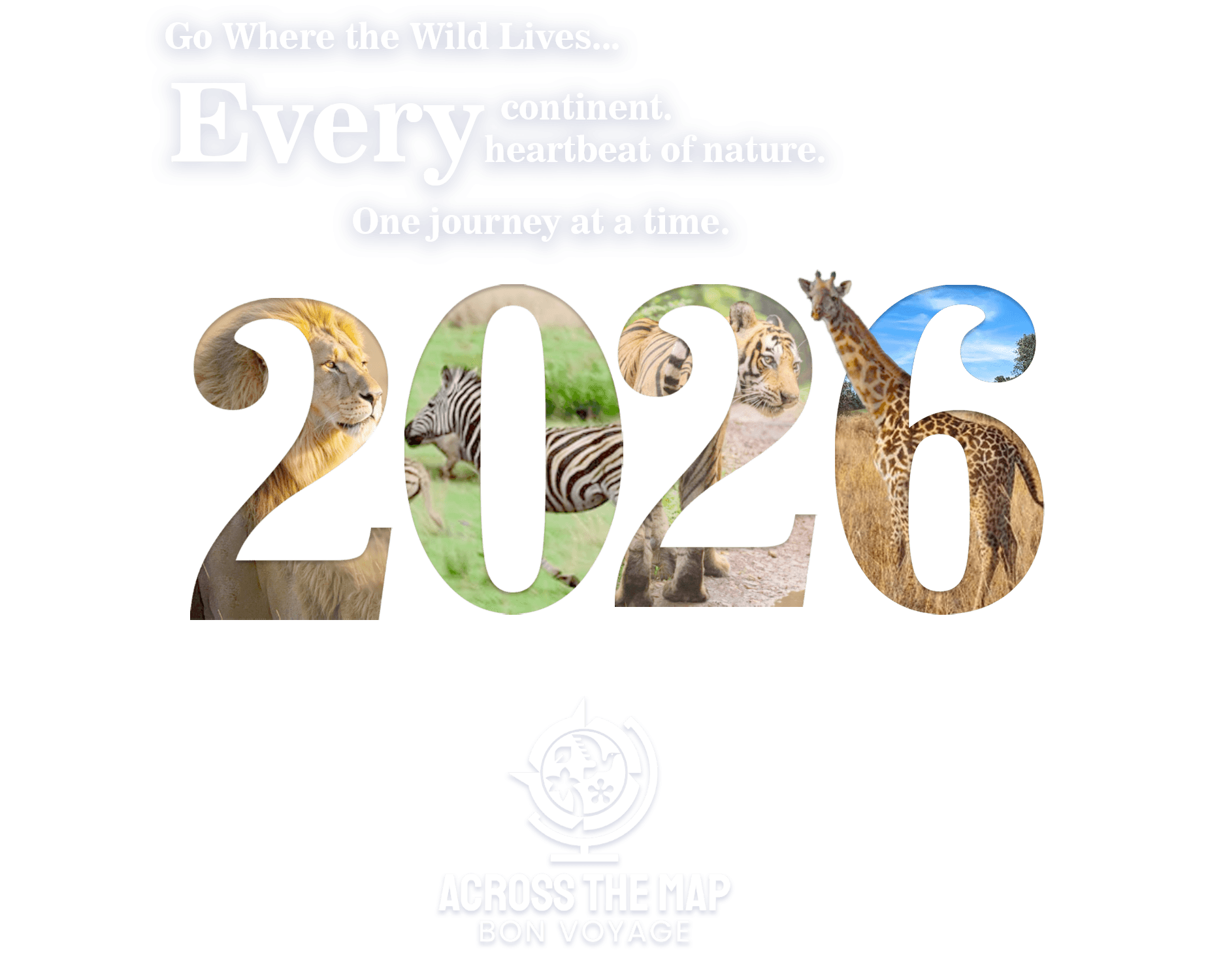

The world is changing, and so is the way we travel. For decades, vacations revolved around comfort, shopping, nightlife, and popular sightseeing spots crowded with tourists. But today's explorer is searching for something deeper — an experience that brings them closer to nature, wildlife, and the raw beauty of the natural world. This shift has led to one of the biggest travel trends of our time: wildlife tourism.
Wildlife tourism isn't just going on a safari or spotting rare animals. It is an immersive journey that helps us reconnect with the untouched world, understand ecosystems, and witness the harmony that exists when nature is allowed to thrive. As urban life becomes more stressful and repetitive, people are craving trips that refresh the mind, challenge the body, and create memories that feel genuinely meaningful.
The Rise of Conscious Travel
Travelers today are far more aware of their environmental footprint. They want experiences that are exciting but also responsible. This is where wildlife tourism shines.
When you join a guided wildlife walk, trek through a forest, or participate in a marine expedition, you're choosing an experience that contributes to conservation. Many wildlife destinations use tourism revenue to protect endangered species, restore habitats, and support indigenous and local communities who act as guardians of the land.
A single safari or nature walk may seem simple, but its impact is powerful:
- It creates jobs for locals
- It funds patrolling and anti-poaching activities
- It inspires travelers to support conservation
- It builds global awareness about vanishing species
This conscious shift is why wildlife tourism isn't just another travel trend — it's becoming a global movement.
A Deeper Human Connection
Why do wildlife-focused journeys feel so transformative?
Because nature has a way of grounding us. When you're standing in silence, listening to the distant call of a bird, or watching elephants cross a dusty trail against the sunset, something inside you changes. You slow down. You become present. You start noticing details you never paid attention to before — the smell of the forest floor, the rustle of leaves, the mud patterns on an animal's skin.
These experiences create a mental reset that no luxury hotel or shopping district can ever offer.
Travelers often return from wildlife trips feeling:
- Calmer
- More mindful
- More appreciative of the world
- Reconnected to something bigger
This emotional transformation is a major reason wildlife tourism is rising so quickly.
Wildlife Tourism Supports Conservation
One of the strongest pillars of wildlife tourism is responsible conservation.
Nature reserves, national parks, and protected forests rely heavily on tourism revenue to function effectively. Guided tours help fund ranger salaries, habitat protection, research initiatives, and rescue operations. When travelers choose ethical wildlife destinations, they are actively protecting animals and landscapes for future generations.
This makes wildlife tourism a rare win-win: The traveler gains an unforgettable experience, and wildlife benefits from increased protection.
Experiences That Bring Wildlife Tourism to Life
Wildlife tourism offers a wide range of experiences, each suited to different types of explorers. Some of the most popular include:
- Guided wildlife safaris
- Walking trails inside protected forests
- Boat safaris through lakes, rivers, and backwaters
- Marine expeditions or dolphin-watching tours
- Birdwatching trails
- Night walks to observe nocturnal species
- Photography tours for professional and amateur photographers
Every type of experience allows travelers to engage with nature in a unique way.
The Future of Travel Is Wild
As travelers look for journeys that bring meaning, clarity, and emotional connection, wildlife tourism is becoming the ideal choice. It celebrates nature, supports conservation, encourages responsible behavior, and brings people face-to-face with the wild beauty of our planet.
For the modern explorer, the future isn't in concrete cities — it's hidden in forests, mountains, oceans, and every corner of the world where wildlife still thrives.